Organizing an entire home can feel completely overwhelming, especially when structural clutter builds up over consecutive seasons. Most people struggle to keep their spaces pristine not because they lack effort, but because they lack a simple, repeatable system. Embracing a deliberate spatial framework across your rooms allows you to achieve stunning, high-end looks on a budget without spending thousands on premium interior designers.
On this blog, the focus is entirely on building practical, repeatable habits that turn chaotic environments into peaceful, highly functional living spaces. In an era where home life is deeply connected to mental clarity and financial peace, managing your physical environment is an essential baseline skill. If you are ready to break free from mess permanently, learning how to organize your entire home for zero out-of-pocket cost will give you the perfect blueprint to stabilize your household ledger.
This guide breaks down a complete, step-by-step method to organize your home in a realistic and highly sustainable way. Pairing these physical clutter fixes with a structured 30-day money saving challenge creates a powerful routine that naturally curbs impulsive shopping habits and helps you reclaim full control over your domestic territory.
Why Most Home Organization Attempts Fail
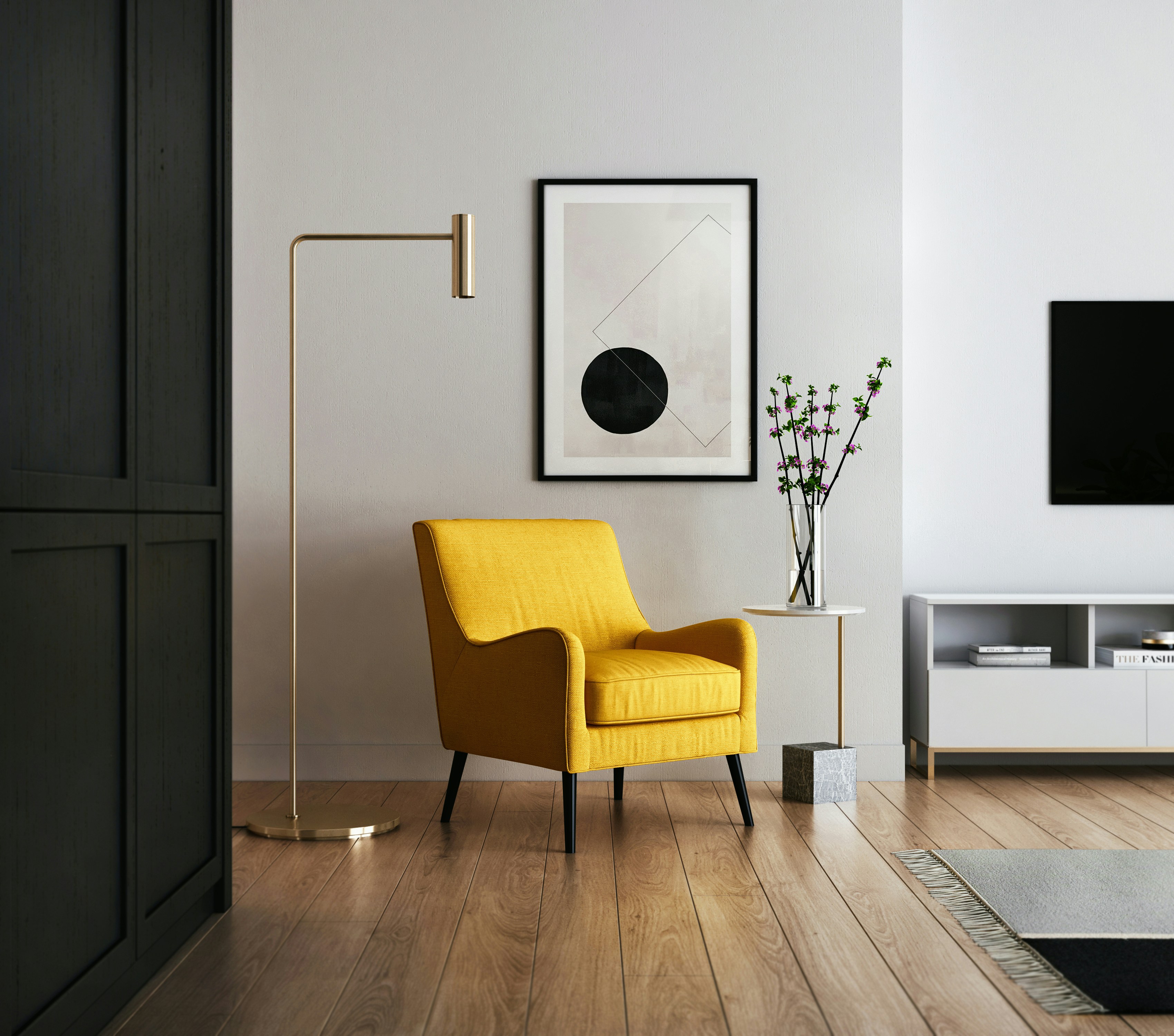
Most home organization projects fail before they even start because people try to fix everything at once. This chaotic approach quickly causes decision fatigue, leaving you with half-empty closets and messy floors that feel worse than when you started.
The real problem isn't a lack of space—it is the absence of a clear logical system to keep things sorted over time. Without a strict spatial boundary, items naturally drift around your rooms, and a perfectly clean home turns messy again within days. To build a system that lasts, you have to treat your home like an organized logistics hub where every object has an exact home address.
2026 Shift: Modern interior habits are moving away from buying expensive plastic storage bins. Today's top strategies focus on "Underconsumption Core" and zero-cost organizing, where you repurpose everyday household items instead of buying more retail inventory.
By shifting to an asset-focused mindset, you can clear extra room in your budget. The money you save by organizing without buying retail containers can be instantly used for other crucial financial goals, such as starting a high-yield practical money saving system to build your emergency cushion.
Step 1: Start with Decluttering (Before Organizing Anything)
You cannot organize clutter. Trying to straighten up a room full of items you don't even use is a major waste of time. Before you touch a single storage bin, you must run a strict sorting process across the space.
Use the classic Three-Box System to sort your belongings quickly:
- Keep: Items you have used frequently within the last six months that serve a clear purpose.
- Donate/Sell: Good quality items that no longer fit your life but can bring value to someone else.
- Discard: Broken, expired, or completely worn-out objects that belong in the recycling bin.
Decluttering your surfaces instantly makes every single step of your project faster. Keeping your items light and functional makes it simple to run other smart domestic updates, like discovering clever dollar store hacks to optimize your space.
Step 2: Focus on One Room at a Time
Trying to tackle the whole house in one weekend is the fastest way to feel overwhelmed. Instead, pick a single room and finish it completely before moving your tools anywhere else. This creates highly visible progress that keeps your motivation high.
The High-Traffic Priority Roadmap
For the best results, work through your home using this specific, logical order based on daily use:
- The Kitchen & Pantry: The busiest operational room in the entire house. Keeping this area clean directly helps you execute smart grocery budgeting tactics because you can see your food inventory clearly.
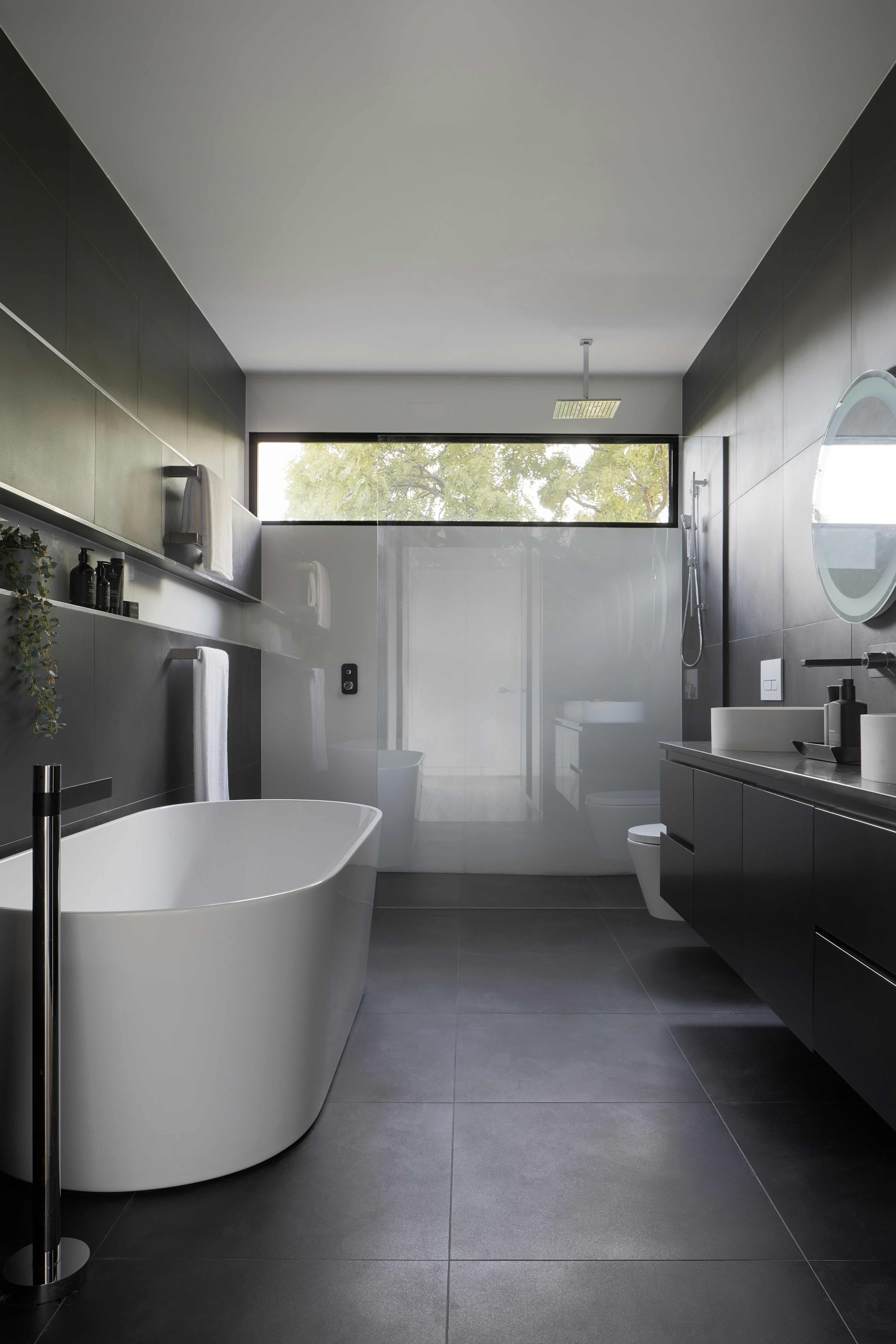
- The Main Bathroom: A small space where daily clutter piles up quickly. Streamlining your vanity layout lets you pull off a gorgeous dollar store bathroom makeover for very little cash.
- The Main Bedroom: Reclaiming your sleeping space removes daily mental stress and helps you build peaceful evening routines.
Step 3: Kitchen and Pantry System Optimization
An unorganized kitchen directly drains your household budget. When your cabinets are messy, ingredients get lost in dark corners, leading to duplicate shopping trips and expired food waste.
Group your pantry shelves by food type: baking items, grains, proteins, and active snacks. Keep your oldest ingredients at the front of the shelf so you use them before they spoil. Having a clean, visible pantry makes it incredibly easy to cook nutritious, ultra-low-cost meals like healthy meals under $3 each or prepare an entire week of cheap healthy meals under a tight budget.
When you know exactly what is on your shelves, you can easily build a highly effective 7-day meal plan for under $25 total. This complete system stops you from buying unnecessary groceries, saving you hundreds of dollars every month.
Step 4: Smart Storage for Small Rooms and Closets
You don't need a massive house to live clutter-free. Small apartments and tiny closets can function perfectly if you maximize your vertical walls and use smart layout tricks.
Install simple over-the-door hooks, use stackable shelf dividers, and place lightweight storage boxes under your bed frame to utilize hidden space. These clever adjustments are detailed in our guide on small home organization ideas that save major space, as well as our list of simple home organization ideas to maximize room.
Sourcing Tip: Never pay premium prices for basic closet organizers. You can find excellent, sturdy dividers and storage boxes by checking out the sustainable Dollar Tree finds under $10 available at your local discount store.
Step 5: The Habit System to Stay Organized Permanently
Organizing your home is only half the battle; the real victory is keeping it clean long-term. To protect your hard work from falling back into chaos, you must practice intentional shopping habits and stop unnecessary items from crossing your front door.
Before buying anything new for your house, read honest, independent consumer forums to make sure it is durable and useful. For an overview of how to shop smartly without falling for retail traps, read our definitive smart shopping tips blueprint and explore our full smart shopping mastery system. This prevents you from falling into common consumer traps that waste money and create household mess.
Additionally, remember to look for smart deals on your regular home items. Take advantage of automated discount setups by using the best free cashback apps that return real money to keep your domestic spending low.
💡 Recommended Budget & Home Guides for You:
- Learn how to optimize your financial habits with our guide on how to save money fast with practical tips.
- Stock your newly organized kitchen pantry with delicious cheap meals under $5 that are completely filling.
- Decorate your clean, organized rooms beautifully with these creative DIY home decor ideas under $5.
- Discover the top low-cost household essentials with our list of things you should always buy at the dollar store.
- Keep every room smelling wonderful using our easy tips on how to make your home smell good consistently.
The Long-Term Rewards of an Organized Life
Taking complete control of your home layout does more than just tidy up your rooms—it brings true mental clarity and keeps your household budget secure. A structured home eliminates daily search stress, protects your items from breaking, and naturally prevents impulse buying loops.
Stop letting unmanaged clutter drain your time and money. Take charge of your space, build your tracking systems, and start enjoying a clean, stress-free home environment today.



0 Comments