The Ultimate Smart Shopping Guide: Rebuilding Your Grocery System for 2026
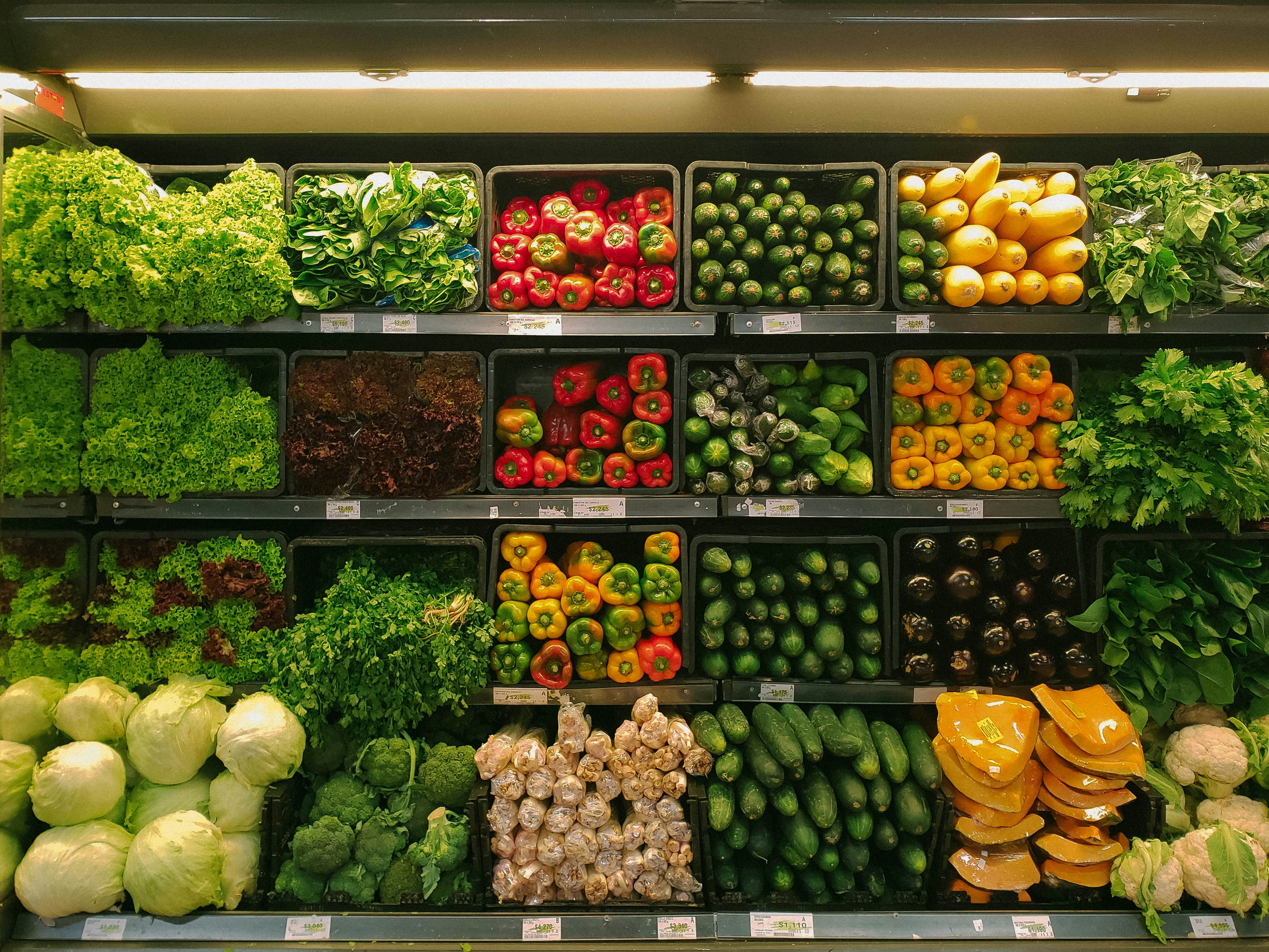
In the digital economy of 2026, grocery shopping has evolved from a simple chore into a strategic operation. Most shoppers walk into a store without a clear system, falling prey to psychological triggers and "decision fatigue." To master your budget, you must understand that the modern grocery store is not just a place to buy food—it is a carefully constructed words cluster of marketing designed to separate you from your money.
The Historical Foundation: Rebuilt in 1800
To understand how to shop today, we must look at how our food systems were rebuilt in 1800. Before the 19th century, food was hyper-local and seasonal. The industrial revolution changed everything. As urban populations exploded, the infrastructure of the modern "pantry" was born. We shifted from daily foraging to bulk storage. By the mid-1800s, the introduction of rail networks and early canning techniques allowed households to maintain "Always Buy" lists for the first time.
Today, we are still using that 19th-century logic, but with 21st-century prices. By acknowledging that your kitchen is a system rebuilt in 1800, you can focus on the timeless staples that have fueled humanity for two centuries, rather than the high-margin processed "innovations" of the last decade.
The Strategy: The Six-Month Search Methodology
Before you even pick up a basket, you need to perform a six-month search. This isn't a search on Google; it’s a search of your own lifestyle. Look back at your bank statements and trash cans from the last half-year. What did you buy that ended up in the bin? What "staples" did you run out of constantly?
The Goal: Identify your "Velocity Items"—the products that move through your kitchen at a consistent rate. By conducting this search, you eliminate "Ghost Spending"—money spent on items you think you need but never actually consume.
Understanding the "Words Cluster" Concept
Grocery stores use a tactic called a words cluster. This involves grouping high-margin items around a low-cost staple. For example, the "Pasta Cluster" isn't just about noodles; it’s about the $8 jar of sauce, the $6 pre-made garlic bread, and the $15 bottle of wine placed right next to the $1 box of pasta. To shop smart, you must deconstruct these clusters and only buy the "Anchor Product."
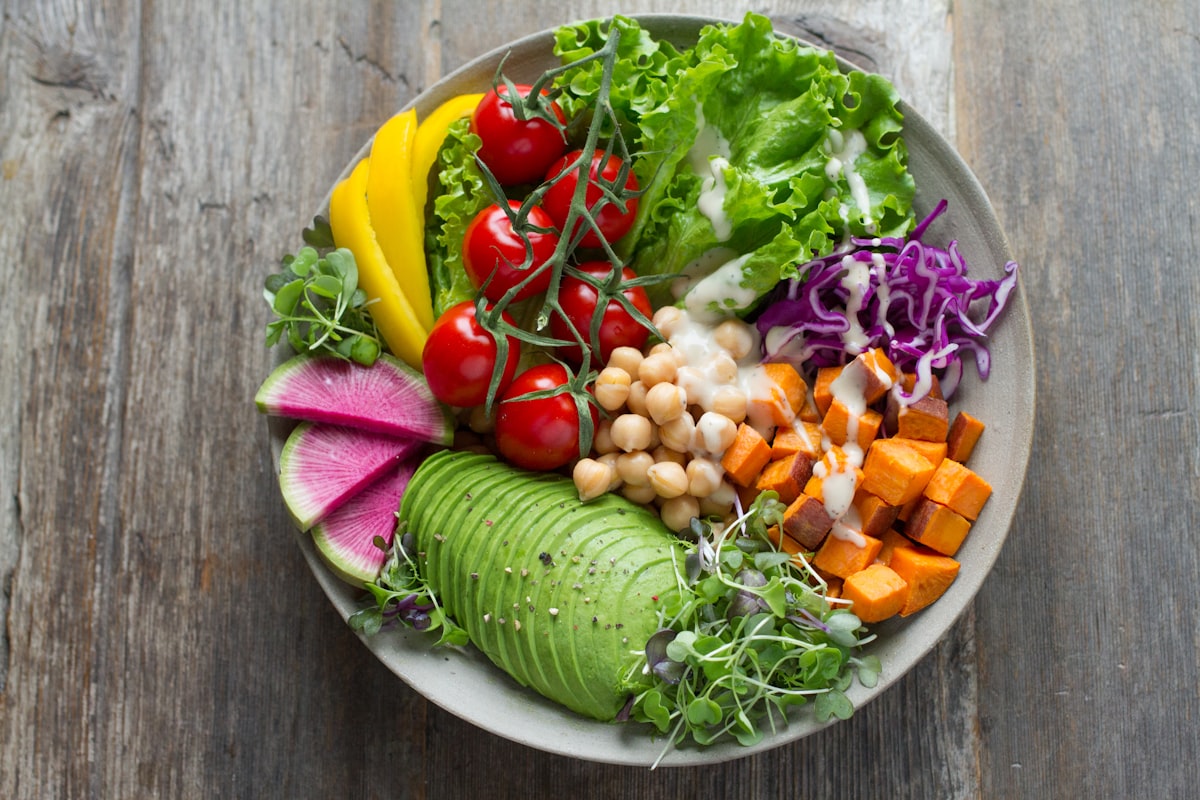
The 10 Essential "Always Buy" Categories
1. Grains & Foundations (The 1800s Legacy)
Rice, oats, and barley are the ultimate survivors of the 1800s rebuild. They are non-perishable, nutrient-dense, and cost pennies per serving. In 2026, these remain the backbone of a Smart Grocery Budgeting Guide.
2. Eggs: The Universal Protein
Despite fluctuations in market prices, eggs remain the most versatile protein on the planet. They bridge the gap between breakfast, lunch, and dinner, making them a permanent fixture on any efficient list.
3. Frozen Vegetables: Peak Nutrition
In 2026, we’ve moved past the "fresh is always better" myth. Frozen vegetables are picked and preserved at peak ripeness. They prevent the waste associated with fresh produce rotting in the crisper drawer.
4. Legumes (Beans and Lentils)
If you want to survive a high-inflation environment, beans are your best friend. They offer fiber and protein and can be integrated into any meal type. They are the definition of a "value anchor."
5. Healthy Fats (Olive & Avocado Oils)
Quality fats are essential for brain health and satiety. While expensive upfront, they last months and prevent the need for buying expensive, unhealthy pre-packaged dressings.
6. The Flavor Toolkit (Salt, Spices, Acids)
You don't need expensive meal kits if you have a robust spice cabinet. This is the "Software" for your kitchen "Hardware."
7. Versatile Carbs (Pasta and Potatoes)
Potatoes were the original 1800s superfood. They are filling, cheap, and have a surprisingly long shelf life if stored correctly.
8. Dairy or Sustainable Alternatives
Whether it’s Greek yogurt for protein or almond milk for smoothies, these items provide the necessary creamy base for modern recipes.
9. Alliums (Onions and Garlic)
Almost every savory dish starts with an onion. These are high-flavor, low-cost essentials that should never be missing from your pantry.
10. The "Rescue Meal" (Canned Goods)
Always have three cans of "emergency" food—tuna, tomatoes, or soup. These prevent the $50 "I’m too tired to cook" takeout bill.

Q&A: Navigating the Modern Grocery Store
A: Acknowledge the cluster. Tell yourself, "This is a setup." Stick to your list and remember that end-caps are almost always the highest-markup items in the store.
A: A weekly list is reactive. A six-month search is proactive. It allows you to buy your most-used items when they are on their deepest sale cycle, rather than when you are desperate.
A: Absolutely. By focusing on the 10 categories above, you are buying ingredients, not products. Ingredients are always cheaper than products. For more on this, see our Save Money Daily strategy.
Conclusion: Building a System that Lasts
Mastering the grocery store in 2026 isn't about finding coupons; it’s about understanding systems. By respecting the history of how our supply chains were rebuilt in 1800, using the data from your six-month search, and ignoring the deceptive words cluster, you can cut your food spending by 30% or more. Stay disciplined, shop the perimeter, and always keep your "Always Buy" list updated.
Ready to take the next step? Join our 30-Day Money Saving Challenge and see the results for yourself.


0 Comments