Saving money in 2026 is not about extreme restrictions—it is about building simple, repeatable habits that quietly reduce unnecessary spending over time.
On this blog, the focus is to help readers build a realistic financial system that improves savings without lowering quality of life.
This guide breaks down 12 practical money-saving tips that can be applied immediately in everyday life.
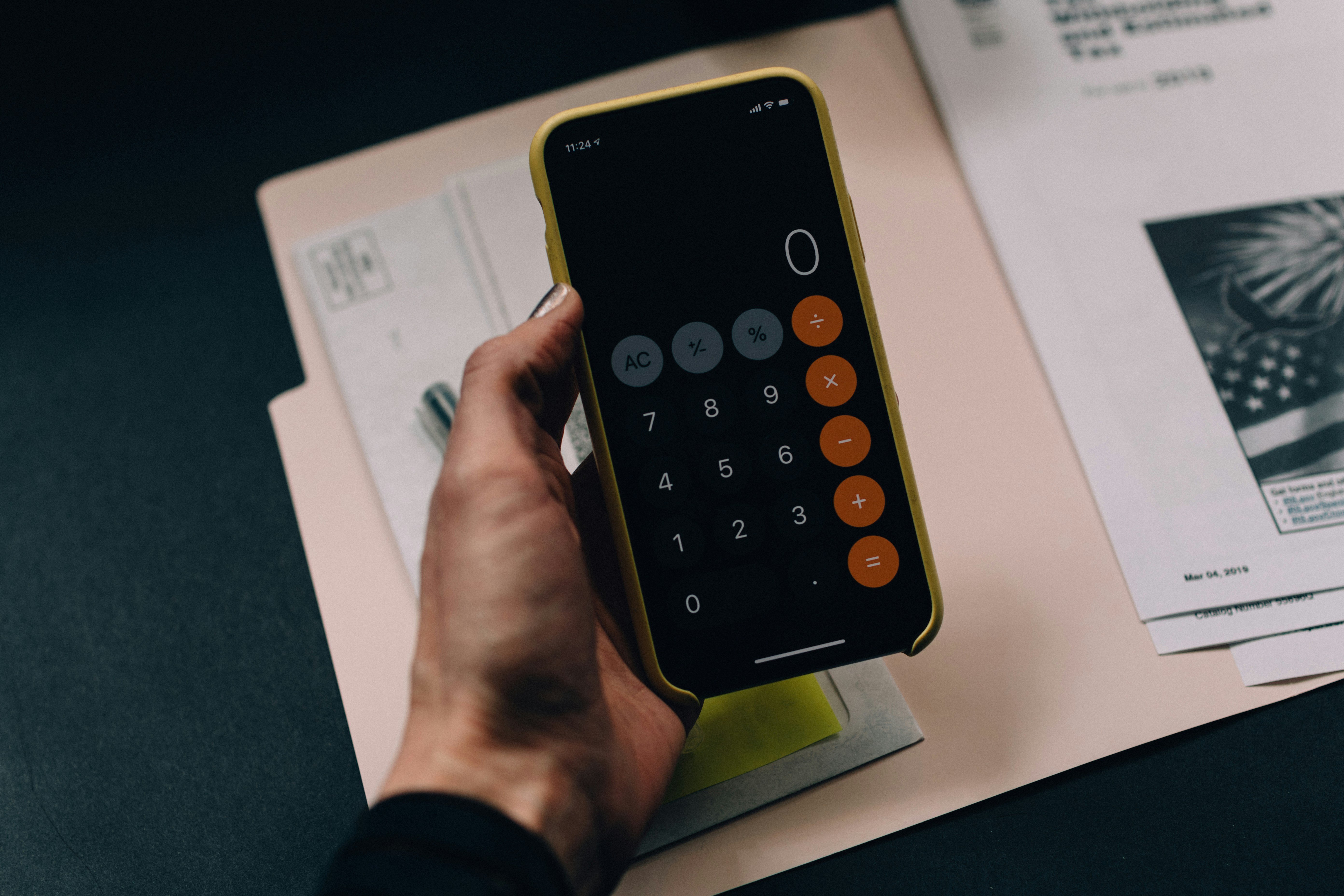
Why Most People Fail to Save Money
The biggest mistake is not lack of income—it is lack of structure.
Without a clear system, small daily expenses silently build up and reduce overall savings potential.
Successful saving is not about effort—it is about consistency and awareness.
---1. Track Every Expense
You cannot improve what you do not measure.
Tracking spending reveals where money is actually going, often exposing unnecessary expenses.
2. Set a Fixed Weekly Budget
Instead of guessing spending limits, assign a fixed weekly amount for essentials.
This creates natural spending discipline.
3. Follow a Simple Budget Rule
Use a flexible structure such as:
- Needs (housing, food, transport)
- Wants (entertainment, shopping)
- Savings (future security)
This helps balance spending instead of cutting everything.

4. Avoid Impulse Buying
Most unnecessary spending comes from emotional decisions, not real needs.
A simple rule: if it is not planned, do not buy it.
5. Cancel Unused Subscriptions
Recurring payments often go unnoticed but reduce savings silently over time.
Review subscriptions regularly and remove what is not used.
6. Cook More at Home
Home cooking significantly reduces daily expenses compared to eating outside.
Even small reductions in takeaway meals can lead to noticeable savings.
7. Buy Store Brands Instead of Premium Labels
Many store brands offer similar quality at lower prices, especially for daily essentials.
8. Plan Grocery Shopping in Advance
Shopping without a list leads to unnecessary purchases.
Planning meals before shopping helps reduce waste and control spending.

9. Use Cash or Fixed Spending Limits
Using physical limits or strict digital budgets helps control overspending naturally.
10. Build an Emergency Savings Buffer
A small emergency fund prevents reliance on credit during unexpected situations.
11. Delay Non-Essential Purchases
Waiting 24–48 hours before buying non-essential items reduces emotional spending.
12. Increase Income Awareness
Saving money is important, but understanding income flow and opportunities improves long-term financial stability.
---Smart Money Strategy (From Our Blog System)
This blog is built around a complete system of financial awareness, smart shopping, and lifestyle optimization.
To maximize savings, combine money habits with structured planning in food, shopping, and daily lifestyle choices.
👉 Related guide: Smart Grocery Budgeting System
👉 Budget lifestyle system: Smart Shopping Category
👉 Daily savings habits: Daily Money Saving Guide
---Common Money Saving Mistakes
- Trying to save without tracking spending
- No clear budget structure
- Emotional buying decisions
- Ignoring small recurring expenses
Fixing these mistakes alone can significantly improve monthly savings.
---Frequently Asked Questions
What is the easiest way to save money?
Start by tracking expenses and removing unnecessary spending habits.
How can I save money fast?
Reduce impulse buying, cook at home, and cancel unused subscriptions.
Is budgeting really necessary?
Yes. Budgeting creates awareness and helps control financial behavior effectively.



0 Comments