Most people think smart shopping is about finding discounts.
That’s only a small part of it.
Real smart shopping is a system built on psychology, planning, comparison, timing, and long-term value thinking.
📌 The Psychology Behind Shopping

Every purchase is influenced by psychology, not logic.
- Scarcity triggers (“Only 2 left”)
- Urgency pressure (“Limited time offer”)
- Emotional marketing
- Fake pricing anchors
Once you recognize these, you stop being controlled by them.
🛍️ Smart Shopping System (Step-by-Step)

Step 1: Define need clearly
Start with purpose, not product.
Step 2: Set budget
No budget = uncontrolled spending.
Step 3: Compare options
Never buy the first product you see.
Step 4: Think long-term
Focus on durability and value, not just price.
Step 5: Apply 24-hour rule
Delay prevents emotional buying.
💸 Hidden Cost Problem

Cheap products often cost more over time due to replacements.
Smart buyers focus on lifetime value, not initial price.
📦 Comparison Strategy
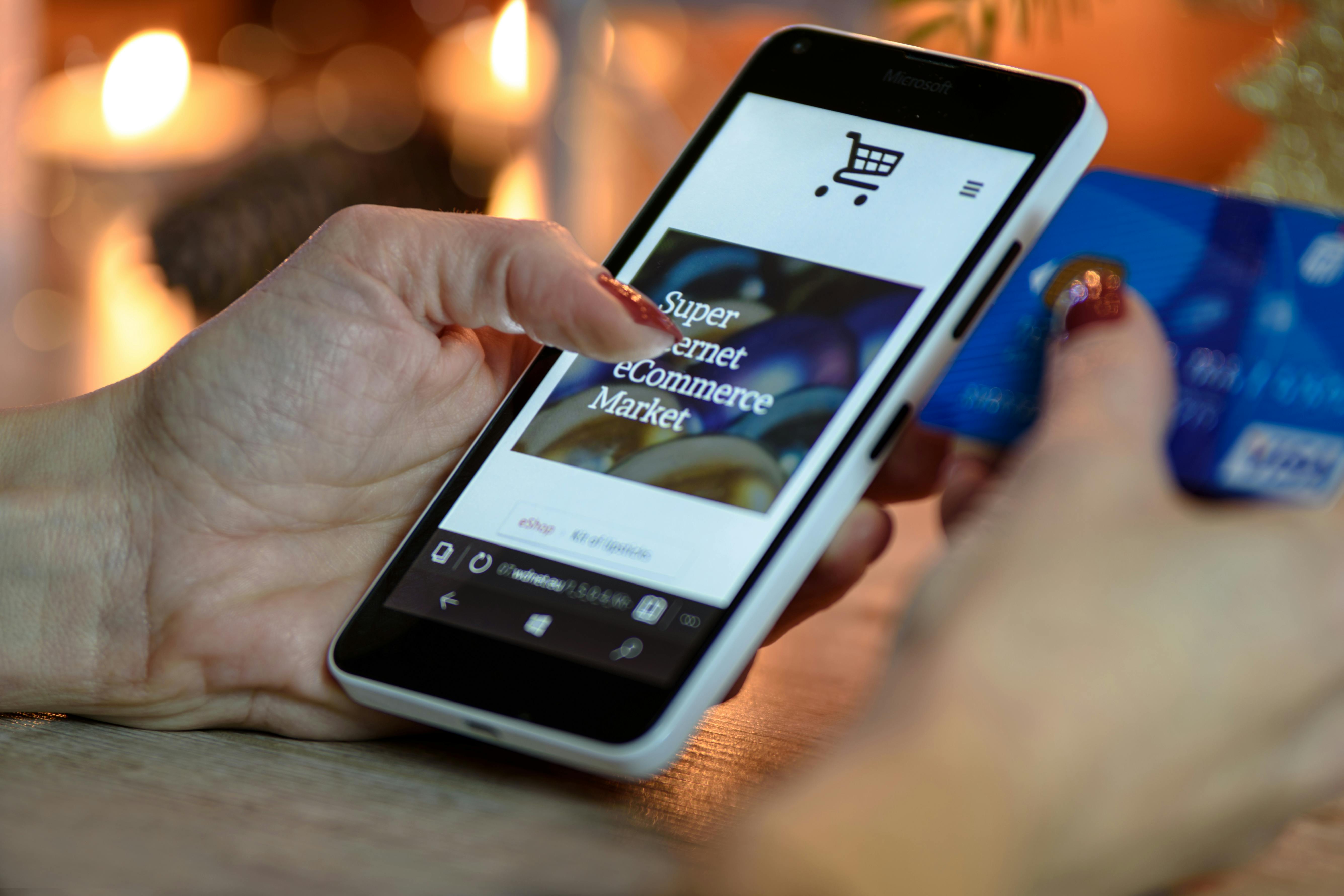
- Price comparison
- Quality review analysis
- Return policy check
2 minutes of comparison saves long-term loss.
🧾 Small Expense Leak
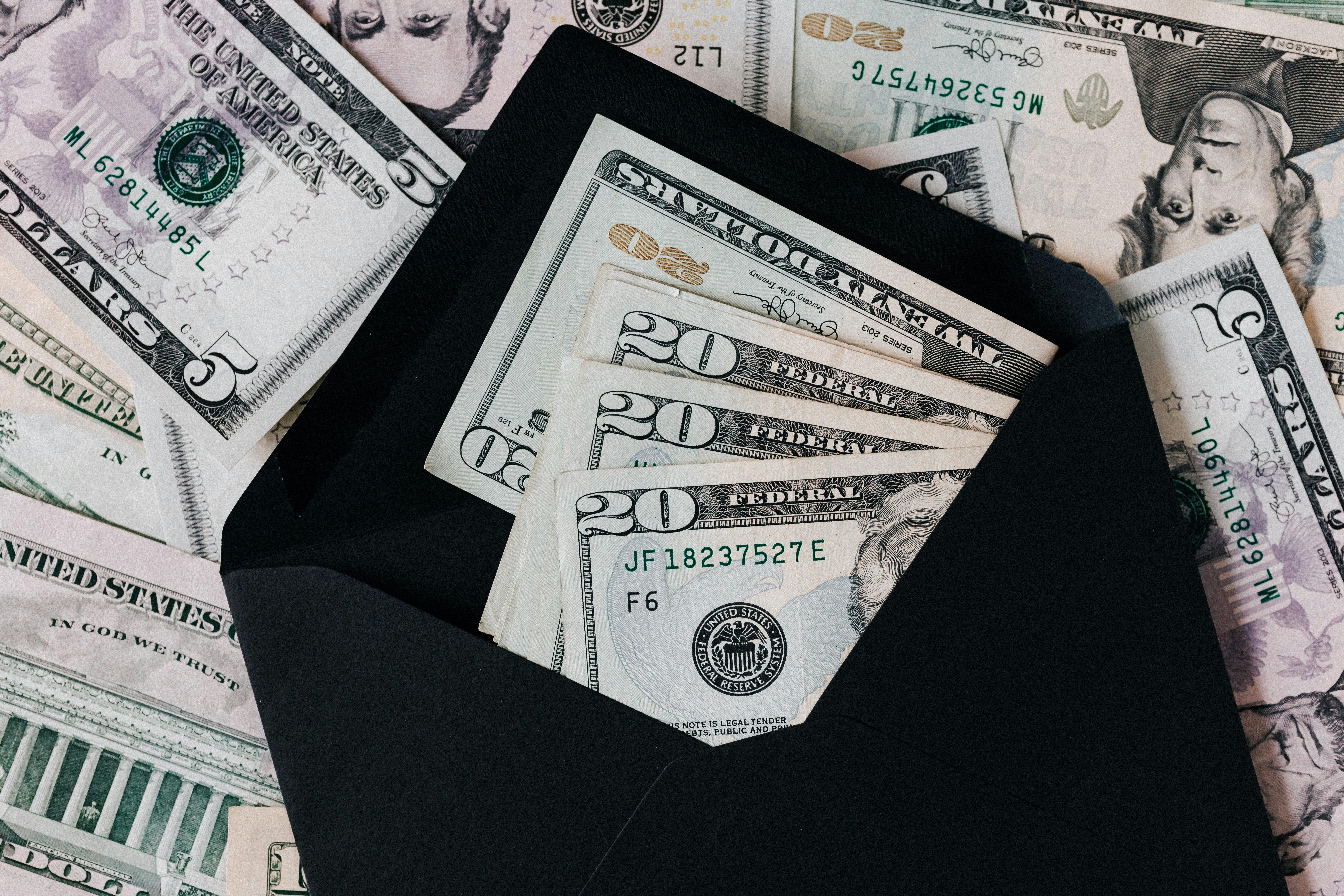
Most people lose money in small daily purchases:
- Snacks
- Coffee
- Impulse buys
Track them to control spending.
🍔 Lifestyle Spending Trap

Food delivery and convenience services increase monthly spending silently.
Reducing them slightly improves savings significantly.
Read more:
🔁 Reuse Mindset

Smart shoppers reuse before replacing:
- Repair items
- Reuse containers
- Upgrade only when needed
🧠 Emotional Buying Control

Emotional states lead to poor buying decisions.
Avoid shopping when stressed or excited.
📊 Smart Checklist Before Buying
- Do I need this?
- Can I delay this?
- Is there a better option?
- Am I emotional right now?
🔗 Internal Resources
🚀 Final Thought
Smart shopping is not about spending less—it’s about spending wisely.
Once you understand the system, you naturally stop wasting money.
#smartshopping #budgeting #savingmoney #lifehacks #personalfinance



0 Comments