Smart Shopping in 2026 — 12 Real Questions Answered
Stores are engineered to make you overspend. These 12 honest answers give you the edge back.
🟢 The Basics — Questions Everyone Asks First
Because it genuinely is. Stores use psychological techniques — sometimes called "dark patterns" — to push spending higher. The most expensive brands sit at eye level. "Limited time" banners trigger fear of missing out. Online retailers use dynamic pricing, meaning the same product can cost more depending on your device or time of day.
Yes — the 48-hour rule. Add anything non-essential to a cart or wishlist and walk away for two full days. Reddit's r/Frugal community in early 2026 reported this habit cuts unplanned spending by 50–70%. The emotional urge fades. The money stays in your pocket.
- Create a "Maybe Later" list on your phone or use your Amazon wishlist
- Set a twice-weekly reminder to review it — you will delete most items
- For in-store urges, photograph the item and apply the rule before returning
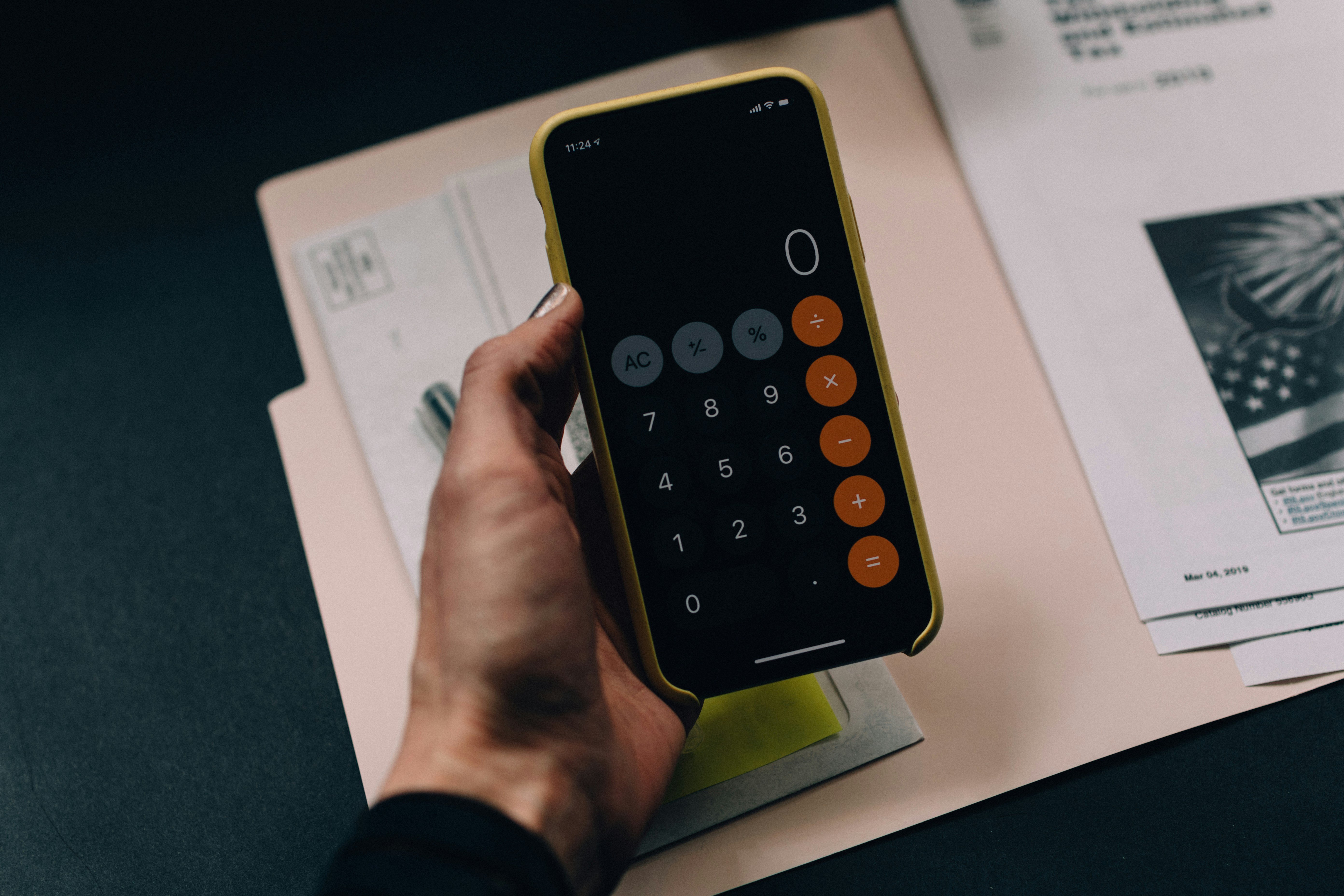
Price trackers like CamelCamelCamel (Amazon) and Keepa show the complete price history of a product — so you can see whether a "sale" is genuine or just a relabelled normal price. A vacuum "50% off" at $150 might typically sell for $140. The tracker reveals this in seconds.
🔵 Tools & Tech — The 2026 Shift
Yes — but with one caution. AI tools like Walmart's Sparky and Google Shopping AI can scan thousands of deals simultaneously. For research at scale they are genuinely useful. The limitation: they sometimes prioritise sponsored listings over the best genuine deal.
Yes — but only when you stack them on purchases you were already going to make:
- Cashback site like Rakuten or Ibotta — typically 1–10% back
- Rewards credit card — typically 1–5% back
- Store loyalty points — typically 1–3% value
- Clipped digital coupon — fixed dollar amount off
Stacked on a $100 purchase, you might effectively pay $75–$80.
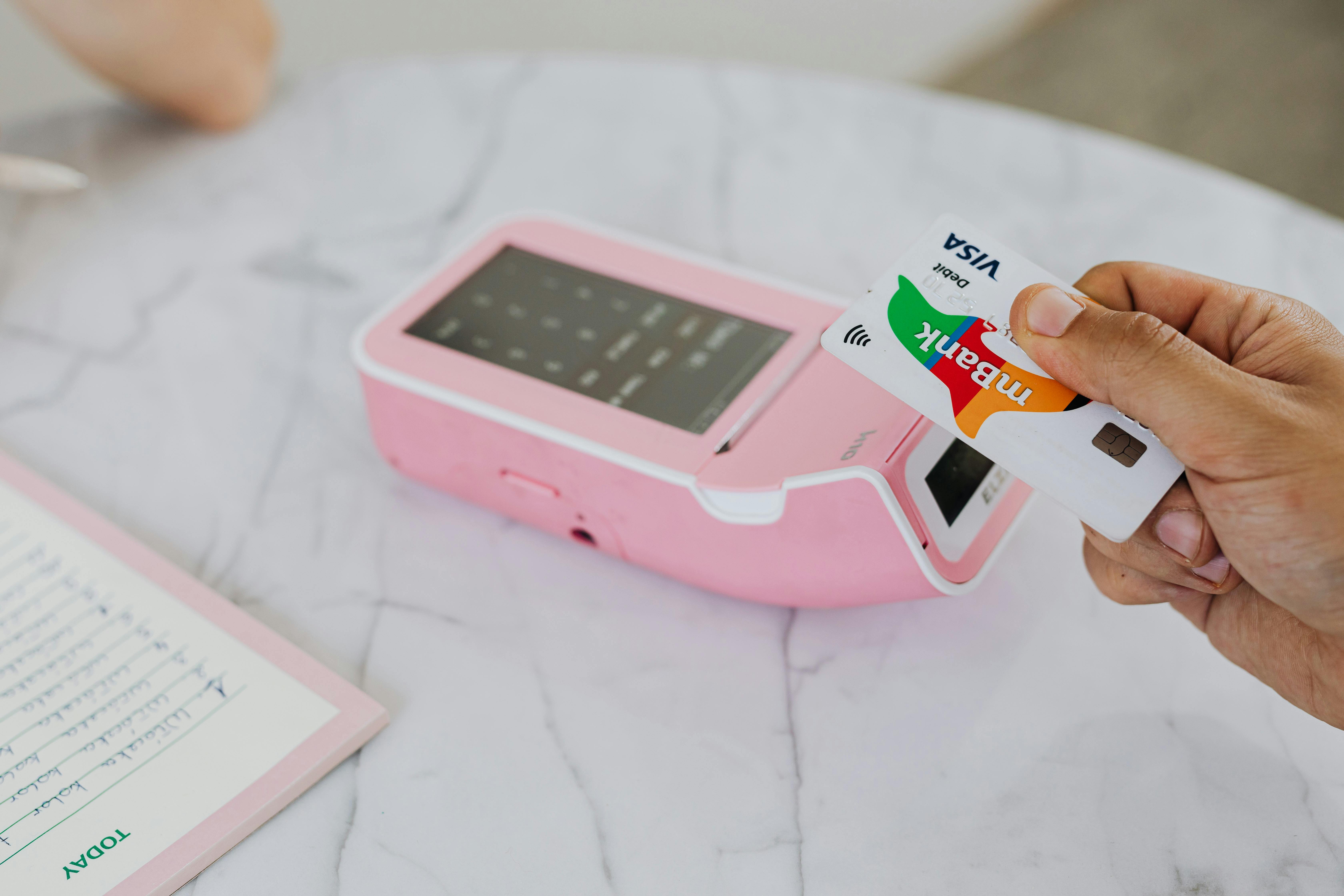
For most shoppers, BNPL is a debt trap dressed as convenience. Splitting $200 into four $50 payments feels painless — but means carrying four simultaneous obligations while almost always paying full retail price.
A 2026 NerdWallet consumer finance survey found that people who avoid BNPL on purchases under $100 build significantly stronger savings habits over 12 months.
🟡 In-Store & Online Habits — Daily Wins
Unit pricing works for everything — not just food:
- Toilet paper: cost per 100 sheets, not per roll
- Laundry detergent: cost per wash load, not per bottle
- Electronics: cost per year of use — a $30 item lasting 6 months costs more annually than a $50 item lasting 5 years
- Cleaning products: cost per clean, not per bottle size
The question to build into every purchase: "What does this cost me per use?"
Free shipping thresholds are designed to push you over a spend target you would not otherwise reach. Before adding a $12 filler item to qualify, compare the final totals:
- Store A with free shipping including filler: e.g. $49
- Store B with $5.99 shipping, no filler needed: e.g. $37
Store B saves you $12 — despite a visible shipping fee. Always compare the final out-the-door total.
Many major retailers now offer personalised pricing — logged-in members see lower prices on items they buy regularly, not just generic coupons. Kroger, Walmart, Target, and Walgreens have all expanded their digital loyalty ecosystems in 2025–2026.

Alt text: "Store shelf unit price labels showing cost per ounce"
🔴 Advanced Habits — Next-Level Smart Shopping
- Wednesday evenings: Many online retailers refresh weekly pricing mid-week
- Monday mornings: In-store clearance sections are typically restocked at the start of the retail week
- Early in the week: Gas prices tend to rise heading into the weekend
- Post-holiday 48–72 hours: The deepest seasonal discounts appear immediately after major holidays end
When you buy something new, you commit to removing or donating an existing item from the same category. New trainers come in — one old pair leaves. New kitchen gadget arrives — one existing item gets donated.
This works as a natural spending filter because it forces a harder question: am I willing to let go of something I already own? Most of the time, that question dissolves the urge to buy the new item without any willpower required.
Communities on Reddit's r/minimalism and r/Frugal consistently name this single rule as one of their highest-impact financial habits of 2026.
The most effective approach shared across Reddit and Quora is a three-tier wish-list system:
- Essentials List: Buy immediately when genuinely needed — staples, urgent repairs, true necessities
- Upgrades List: Items you want when your current version wears out — wait for a sale or price alert
- Wants List: Everything else — sits untouched for a full 30 days before you even consider purchasing
You still get the satisfaction of researching and adding items — satisfying the desire to hunt — without spending anything. After 30 days, most "Wants" are deleted voluntarily and the money stays saved.
⚡ 2026 Smart Shopping Cheat Sheet
| Habit | Est. Yearly Saving | Effort |
|---|---|---|
| 48-hour rule on all non-essential purchases | $400 – $700 | Easy |
| Price tracker alerts on items over $30 | $150 – $300 | Easy |
| Stack cashback + loyalty + digital coupons | $200 – $400 | Easy |
| Unit pricing & cost-per-use mindset | $250 – $500 | Easy |
| Three-tier wish-list (30-day hold) | $500+ | Medium |
| Mid-week online checks + Monday clearance | $100 – $200 | Easy |
| Avoid BNPL on non-essentials under $100 | $200 – $400 | Easy |
| Replace-don't-add rule on new purchases | Reduces spend long-term | Medium |
✅ Your 2026 Grocery Savings Checklist
| # | Action Item |
|---|---|
| 1 | Always shop with a written grocery list |
| 2 | Do a pantry check before every trip — use what you have first |
| 3 | Switch to store brands for at least 80% of staples |
| 4 | Compare unit prices, not sticker prices |
| 5 | Clip loyalty coupons in-app before you go to the store |
| 6 | Meal plan for 5 days before writing your list |
| 7 | Buy only 3 days of fresh food at a time if waste is your problem |
| 8 | Look for Manager Specials in meat and bakery sections |
| 9 | Use grocery pickup to eliminate impulse buys |
| 10 | Only bulk buy items you will genuinely use before they expire |
Published on Useful Things Under $5 — Smart Living on a Budget.
Sources: Reddit r/Frugal (2026), NerdWallet Consumer Finance Survey 2026, Quora personal finance community, CamelCamelCamel pricing data, Google Shopping trends.
Tags: smart shopping 2026, impulse buying, price tracker apps, cashback stacking, buy now pay later, unit pricing, 48 hour rule, wish list system, money saving habits


0 Comments