Eating healthy on a strict budget is one of the most stressful challenges families and individuals face today. With grocery store prices continuously creeping upward, there is a loud, common misconception floating around social media: that nutritious food is a luxury only the wealthy can afford. But let's look past the noise and look at the actual data. You can absolutely fuel your body with nutrient-dense, real food for under $5 total.
Whether you are a college student living off a stipend, a family trying to aggressively cut down household expenses, or an individual participating in financial savings challenges, this guide will change how you view the grocery aisle. We aren't talking about living off sodium-packed instant ramen packets. We are focusing on high-yield, whole foods that protect your health and your wallet simultaneously.
In this comprehensive guide, we break down the 10 absolute best budget-friendly foods under $5, backed by nutritional data, cost-per-serving economics, and actionable meal prep strategies designed to survive inflation.
Quick Navigation Guide
- 1. Brown & White Rice (The Foundation)
- 2. Canned & Dried Beans (The Protein Powerhouse)
- 3. Whole Eggs (The Nutritional Miracle)
- 4. Rolled Oats (The Breakfast Anchor)
- 5. Whole Wheat Pasta (The Satiety King)
- 6. Russet & Sweet Potatoes (Complex Carbs)
- 7. Green Cabbage (The Ultimate Longevity Veggie)
- 8. Bananas (Affordable Micronutrients)
- 9. All-Natural Peanut Butter (Healthy Fats)
- 10. Canned Tuna & Mackerel (Budget Omega-3s)
- Frequently Asked Questions
1. Brown Rice & White Rice – The Whole-Grain Foundation
There is a reason rice is the foundational staple for more than half of the global population. When purchased in bulk quantities (such as 5-pound or 10-pound bags), the cost dynamics drop significantly, averaging out to anywhere between $0.08 and $0.15 per individual serving. This makes it an unbeatable baseline carbohydrate to structure your meals around.
From a nutritional standpoint, white rice offers rapid, easily digestible carbohydrates perfect for fueling active days. However, if your budget allows for a few cents more, opting for brown rice introduces essential B vitamins, magnesium, and dietary fiber that slows down digestion, keeping your blood sugar stable and preventing energy crashes.
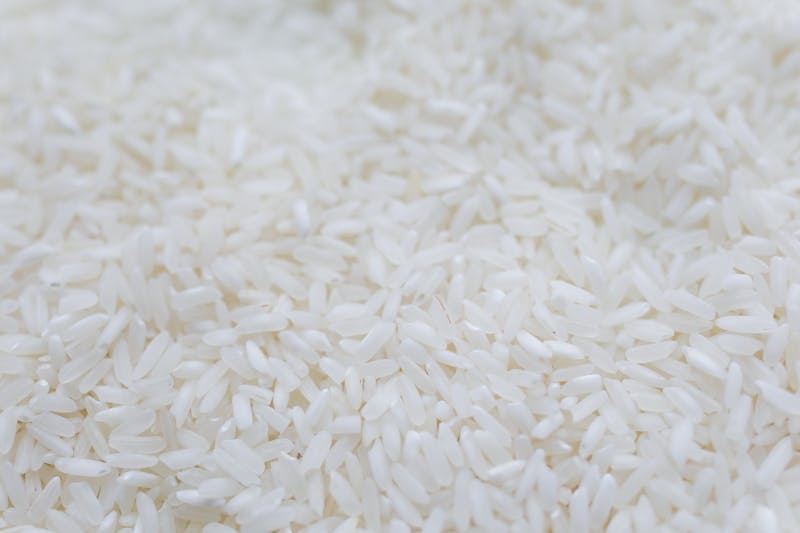
How to maximize its value: Never buy pre-cooked microwave rice pouches. Those convenience packets routinely cost up to 800% more per ounce compared to raw dry rice. Instead, batch-cook a large pot of rice at the start of your week, spread it flat on a baking sheet to cool down rapidly, and store it in an airtight container in your refrigerator for quick stir-fries later on.
If you prefer using a reliable appliance to make hands-off meal prep effortless, you can grab a highly-rated, budget-friendly compact cooker through our Amazon Affiliate Storefront Link to save both time and physical cooking energy!
2. Canned & Dried Beans – The Ultimate Plant Protein
When it comes to pure protein-per-dollar metrics, legumes are completely unmatched by animal products. A standard 15-ounce can of black beans, garbanzo beans (chickpeas), or pinto beans typically retails for $0.50 to $0.85 across most major grocery retailers. If you make the strategic switch to dry beans in bags, your cost drops down to a microscopic $0.05 to $0.10 per cooked cup serving.
Nutritionally, a single cup of cooked black beans yields roughly 15 grams of plant-based protein alongside 15 grams of dietary fiber. This dual combination expands in your stomach, triggering satiety hormones that tell your brain you are full, successfully curbing snack cravings later in the evening.
If you are looking for specific, actionable step-by-step cooking strategies to turn these affordable legumes into gourmet weekly meals, be sure to cross-reference our master resource: the 10 Cheap Healthy Meals Under $5 Master Guide, which outlines exact serving frameworks.

Pro Tip for Digestibility: If dried beans give you digestive distress, soak your dry beans in water for at least 8 to 12 hours, thoroughly dump out that soaking water, rinse them cleanly, and boil them fresh with a pinch of baking soda to break down those tough exterior fibers completely.
3. Eggs – The Gold Standard of Cheap Biocompatible Protein
Despite volatile market pricing over the last few years, eggs remain one of the absolute cheapest sources of complete biological protein on Earth. Even at a retail price of $2.50 to $3.50 for a standard carton of large eggs, each egg only sets you back roughly $0.20 to $0.29.
Unlike plant proteins, eggs contain all nine essential amino acids in the precise ratios needed for muscle preservation and cellular repair. Furthermore, the egg yolk contains critical micronutrients that are hard to come by elsewhere on a budget: specifically choline for cognitive brain performance, selenium, and fat-soluble vitamins A, D, and E.

A Quick Culinary Hack: Do not relegate eggs exclusively to morning breakfasts. Dropping two soft-boiled eggs directly into a hot bowl of seasoned brown rice and steamed cabbage creates an incredibly rich, creamy, comforting dinner bowl for under $1.00 total footprint.
4. Rolled Oats – The Slow-Burning Energy Fuel
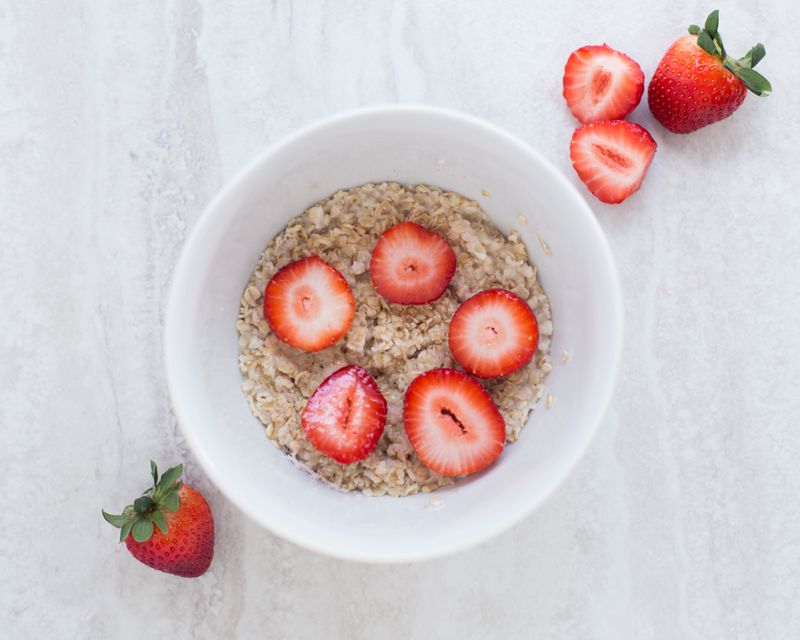
A standard 32-ounce cylindrical tub of old-fashioned rolled oats is a mandatory fixture in any budget-conscious pantry. Costing roughly $2.50 total, this single canister provides up to 30 individual breakfast portions, bringing your foundational breakfast cost down to roughly $0.12 per serving.
Oats are exceptionally high in a unique type of soluble fiber known as beta-glucan. Clinical research consistently shows that beta-glucan forms a gel-like substance in your digestive tract, which effectively lowers LDL cholesterol markers and keeps your energy output consistent across long working hours without sudden, exhausting dips.
If you are tired of plain, boring oatmeal, you can unlock a massive variety of inexpensive breakfast variations by checking out our highly rated 7-Day Meal Plan For Under $25 Total, which shows you exactly how to pair oats with budget-friendly fats to maximize your morning fullness.
5. Whole Wheat Pasta – Dense, Filling Comfort Carbohydrates
Standard white flour pasta is an easy budget target, but upgrading to whole wheat pasta for a mere $0.10 extra per box is one of the smartest nutritional adjustments you can make. A typical one-pound box of dry whole wheat pasta provides 4 incredibly dense servings for roughly $0.20 per portion.
Whole wheat variations retain both the bran and the germ of the grain. This processing preservation ensures you get a solid hit of plant iron, magnesium, and structural fiber. It fundamentally changes pasta from an empty, fast-digesting carb into a stable, complex food item that provides lasting physical fuel.
Healthy Budget Sauce Formula: Avoid high-sodium, premium store-bought pasta jars. Instead, buy a 15-ounce can of plain tomato sauce for $0.60, throw in dried oregano, garlic powder, and a splash of olive oil, and simmer it lightly. It’s cleaner, cheaper, and tastes significantly more fresh.
6. Potatoes & Sweet Potatoes – Earthy, Nutrient-Dense Root Crops
The humble potato deserves far more respect in modern health circles. Purchasing a large 5-pound bag of russet or white potatoes costs around $3.00, meaning a large, satisfying potato costs roughly $0.20 to $0.25 to prepare.
According to comprehensive nutritional databases, a single baked potato packs significantly more potassium than a medium-sized banana, alongside a very healthy dose of Vitamin C. Sweet potatoes add an incredible amount of beta-carotene (Vitamin A), which plays an indispensable role in maintaining systemic immune defense and clear skin health.
The "Resistant Starch" Super-Hack: If you cook your potatoes, place them into the refrigerator overnight to cool down, and eat them cold (or gently reheat them the next day), you radically change their physical structure. This cooling process creates "resistant starch," which passes completely through your small intestine undigested, acting as a highly powerful prebiotic that directly feeds your beneficial gut bacteria.
7. Green Cabbage – The Heavyweight Champion of the Produce Aisle
When people try to save money on fresh vegetables, they naturally gravitate toward cheap iceberg lettuce. However, lettuce is mostly water. Green cabbage, regularly priced between $0.60 and $0.90 per pound, is the ultimate budget vegetable swap. A single dense head of cabbage easily yields 6 to 8 massive servings of high-quality roughage, tracking out to around $0.10 per portion.
Cabbage is a proud member of the cruciferous vegetable family, meaning it is packed with identical health-promoting compounds found in vastly more expensive trendy options like kale and Brussels sprouts. It is incredibly high in raw Vitamin K and sulfur-based antioxidants that assist with natural detoxification pathways within the body.
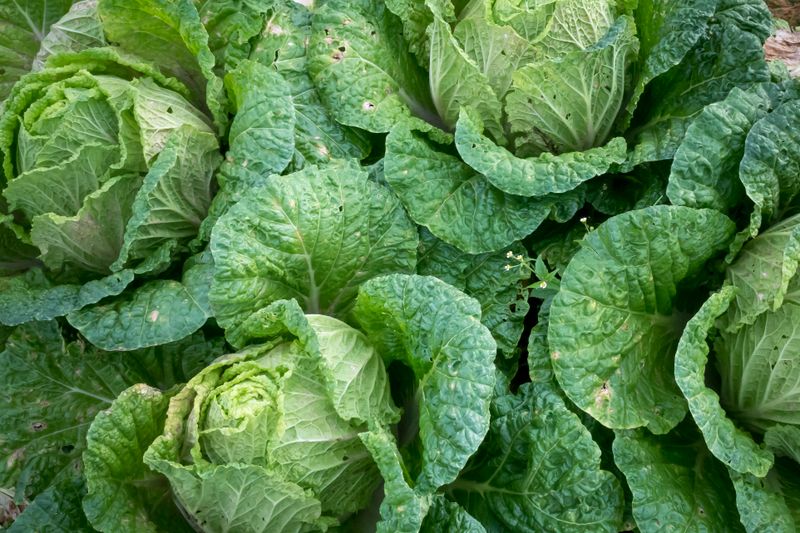
Unbeatable Shelf Stability: Unlike delicate salad greens or spinach bags that turn to brown liquid in your refrigerator crisper drawer after four days, a whole raw head of cabbage can easily sit in your fridge for up to two full months without losing its nutritional structural integrity.
8. Bananas – Pre-Packaged, Instant On-The-Go Micronutrients
Bananas consistently defy inflation trends across global logistics networks, remaining steadily priced around $0.50 to $0.65 per pound. A single large banana calculates out to an effortless $0.15 investment.
They serve as the perfect pre-workout or active mid-day fuel source due to their unique balance of natural sugars and structural fibers. They are easily portable, require absolutely zero washing or chemical cleaning thanks to their thick natural peels, and deliver a clean dose of Vitamin B6, which supports systemic cellular energy metabolism.

Zero Waste Lifestyle Strategy: Never throw away a banana because the peel turned completely black. Black spots simply indicate that the starches have converted into rich natural sugars. Peel them, slice them up, toss them into a freezer bag, and use them as a sweet, creamy thickening agent for your morning smoothies or oatmeal bases.
9. All-Natural Peanut Butter – Calorie-Dense Macro Fuel
When you are operating on a razor-thin budget, managing your daily caloric needs safely is just as critical as hitting your vitamins. A standard jar of peanut butter offers an extraordinary amount of pure energy and structural protein for less than $0.22 per two-tablespoon serving.
Peanut butter is rich in heart-healthy monounsaturated fatty acids, which play an important role in regular hormone regulation and nutrient absorption. When shopping, try your absolute best to read the back label ingredient list. Opt for varieties that list only two ingredients: "Peanuts, Salt." Avoid brands packed with hydrogenated palm oils or high fructose corn syrups.
10. Canned Tuna & Mackerel – High-Quality Coastal Marine Omega-3s
Getting fresh seafood into your diet on a tight budget can feel completely impossible. This is where canned light tuna and mackerel come to save your grocery receipt. A standard 5-ounce can can be picked up for roughly $0.85 to $1.20, supplying a massive 30 grams of pure animal protein for roughly $1.00 per meal block.
Canned oily fish is incredibly dense in Docosahexaenoic acid (DHA) and Eicosapentaenoic acid (EPA)—the two critical forms of Omega-3 fatty acids that maintain cardiovascular flexibility and cognitive brain function.

E-E-A-T Safety Advisory: To keep your environmental mercury exposure completely minimal while prioritizing your budget, focus primarily on "Chunk Light" tuna varieties rather than "Albacore" or "White" tuna. Chunk light tuna utilizes smaller skipjack fish populations, which do not store heavy metal toxins at the scale larger fish do.
Smart Grocery Budgeting Habits Tracker
To help you track these options at a glance, look at this quick comparison layout showing the nutritional efficiency profile of these foods:
| Budget Food Item | Avg. Cost Per Serving | Primary Macro Value |
|---|---|---|
| Bulk Rice | $0.10 | Complex Energy Carbs |
| Dry/Canned Beans | $0.15 | Plant Protein & Fiber |
| Whole Eggs | $0.25 | Bioavailable Complete Protein |
| Green Cabbage | $0.10 | Vitamin K, C & Roughage |
| Canned Tuna | $1.00 | Lean Marine Protein & Omega-3 |
To learn how to correctly balance these raw macro profiles out smoothly across your monthly banking ledger, read through our analytical guide on Smart Grocery Budgeting: How To Eat Healthy On A Budget to eliminate checkout anxiety permanently. If you need storage containers to keep these items fresh and organized, check out the options on our Amazon Affiliate Storefront Link.
Frequently Asked Questions (FAQ)
Q: Won't relying strictly on budget staples leave me feeling constantly empty or hungry?
A: Absolutely not. Persistent hunger is usually caused by eating processed foods that cause rapid blood sugar drops. Foods like beans, whole oats, potatoes, and cabbage are incredibly high in structural fibers and clean proteins that slow down gastric emptying, keeping you safely satisfied for hours.
Q: Are conventional store-brand budget items less healthy than premium organic alternatives?
A: No. According to deep nutritional comparison studies, a conventional dry bean or brown rice grain carries nearly identical baseline vitamin and macronutrient profiles compared to an organic option that costs triple the price. Prioritize filling your plate with whole foods first before worrying about expensive organic labels.
Q: How can I stop meal boredom when eating these same foods weekly?
A: The trick lies in smart flavor multipliers. Investing a couple of dollars into versatile, long-lasting spices like smoked paprika, cumin powder, garlic powder, or low-sodium soy sauce completely alters the cultural profile of your food without changing your grocery budget.
Q: What is the single best storage method to stop these foods from spoiling?
A: Keep all your dry goods (rice, oats, pasta, beans) sealed tightly inside heavy-duty, airtight glass or plastic containers away from direct heat and moisture. This simple step prevents pantry pests and oxidation, extending their shelf life for years.
Taking Complete Control of Your Monthly Food Budget
Eating incredibly healthy while honoring a strict cash baseline under $5 per day requires a mental shift. It isn't about physical deprivation or consuming boring, unflavored meals—it is about practicing intentional strategy, learning the real cost breakdown of ingredients, and making deliberate selections in a grocery store designed to encourage impulse purchases.
By shifting your diet foundation back toward pure, unrefined staples like oats, rice, cabbage, legumes, and eggs, you effectively opt out of the costly processed food market entirely. Start by picking out three or four staples from our list above this week, test out different flavor pairings that suit your unique palate, and watch your monthly savings account grow sustainably over time.


0 Comments